

At last! Here is the much delayed Carnival of Evolution 48!
I must begin by apologizing for my tardiness, especially since John Wilkins managed to post the last one on time. I was traveling in the 2½ weeks preceding the deadline for CoE, and the combination of spotty internet access, extreme jetlag (British Columbia to Germany to Iceland, where the sun hovered around the horizon all night long, just messed me up), and of course, the incredible distractions of exotic foreign lands, meant that I was disgracefully dilatory in putting it all together.
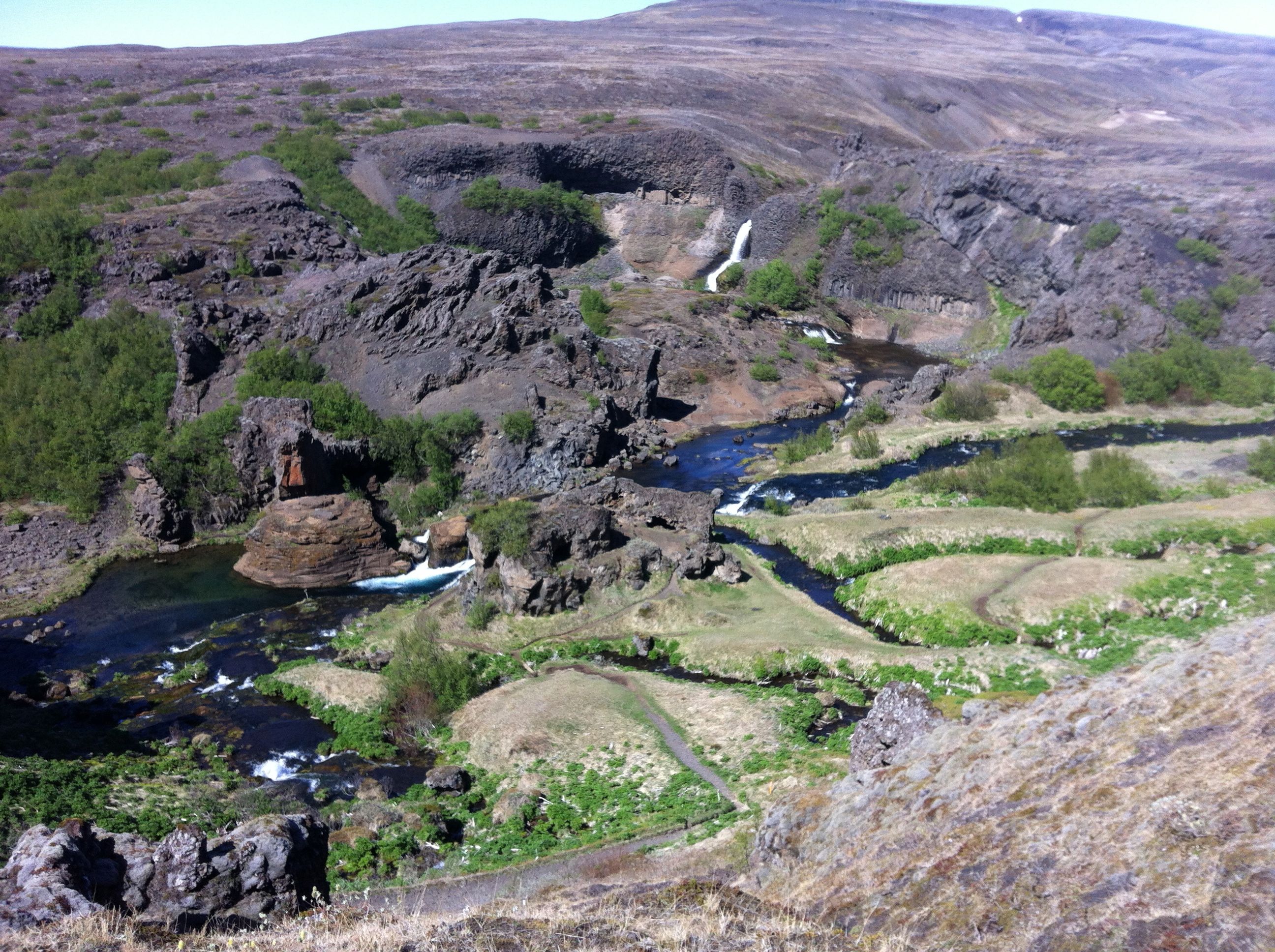
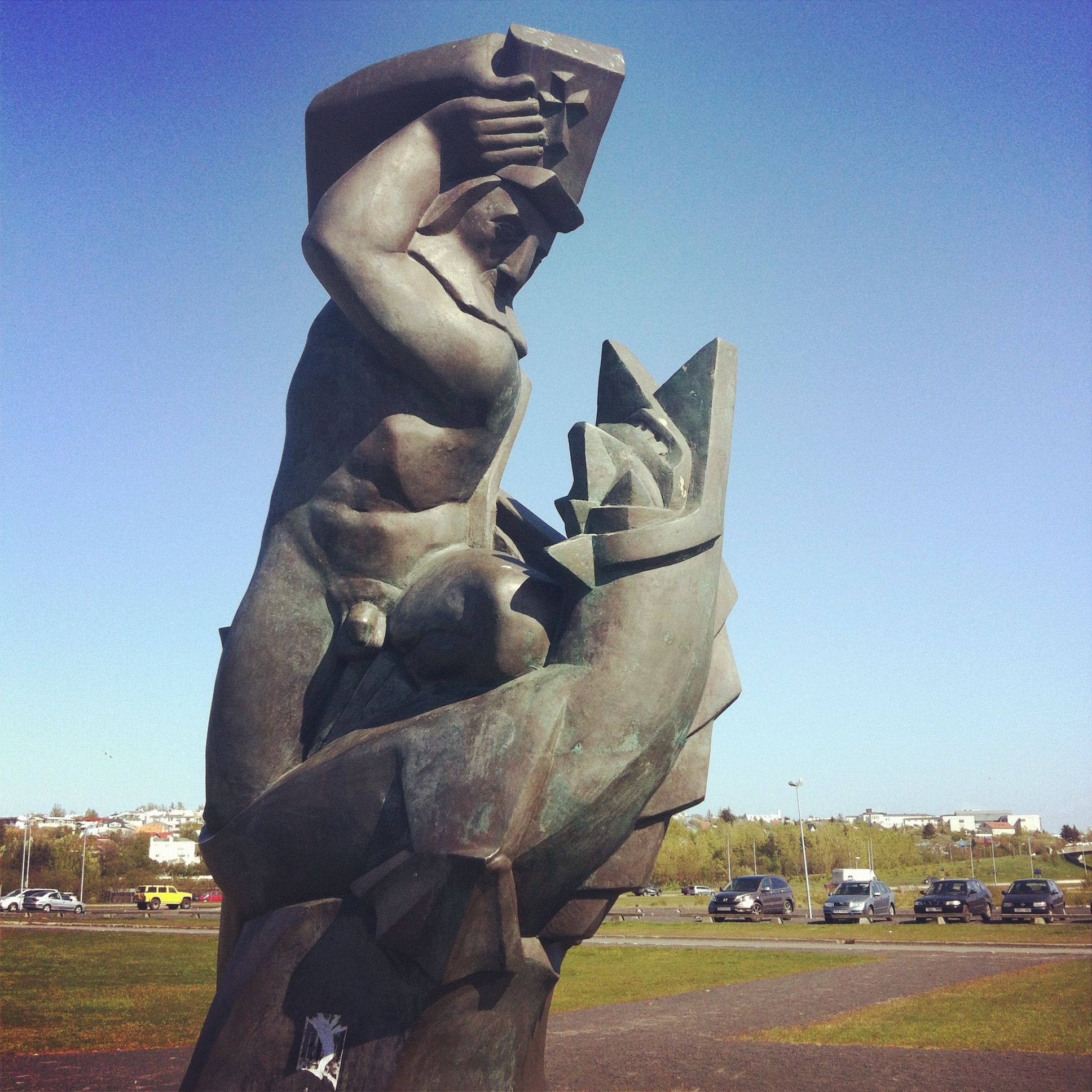
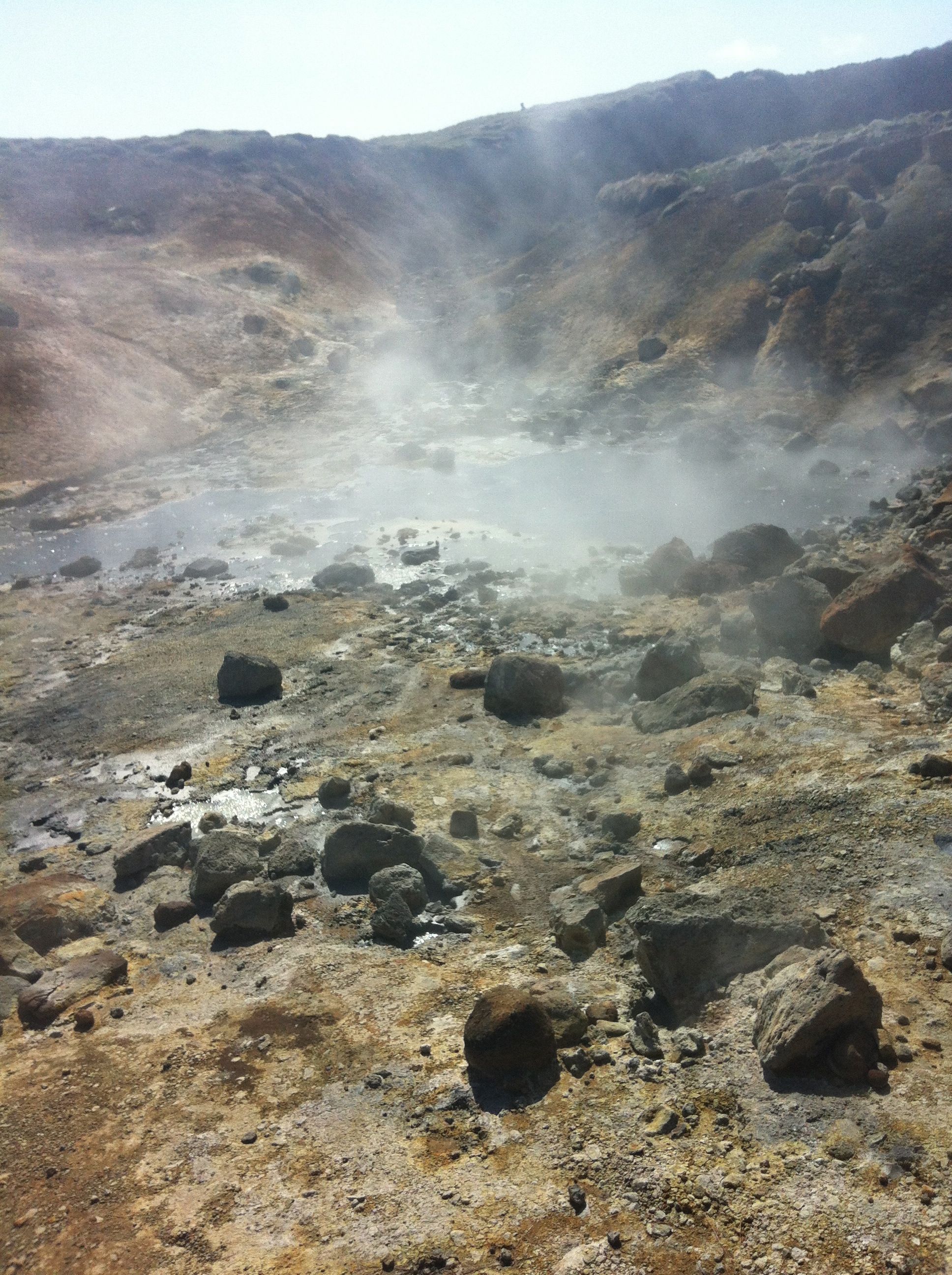
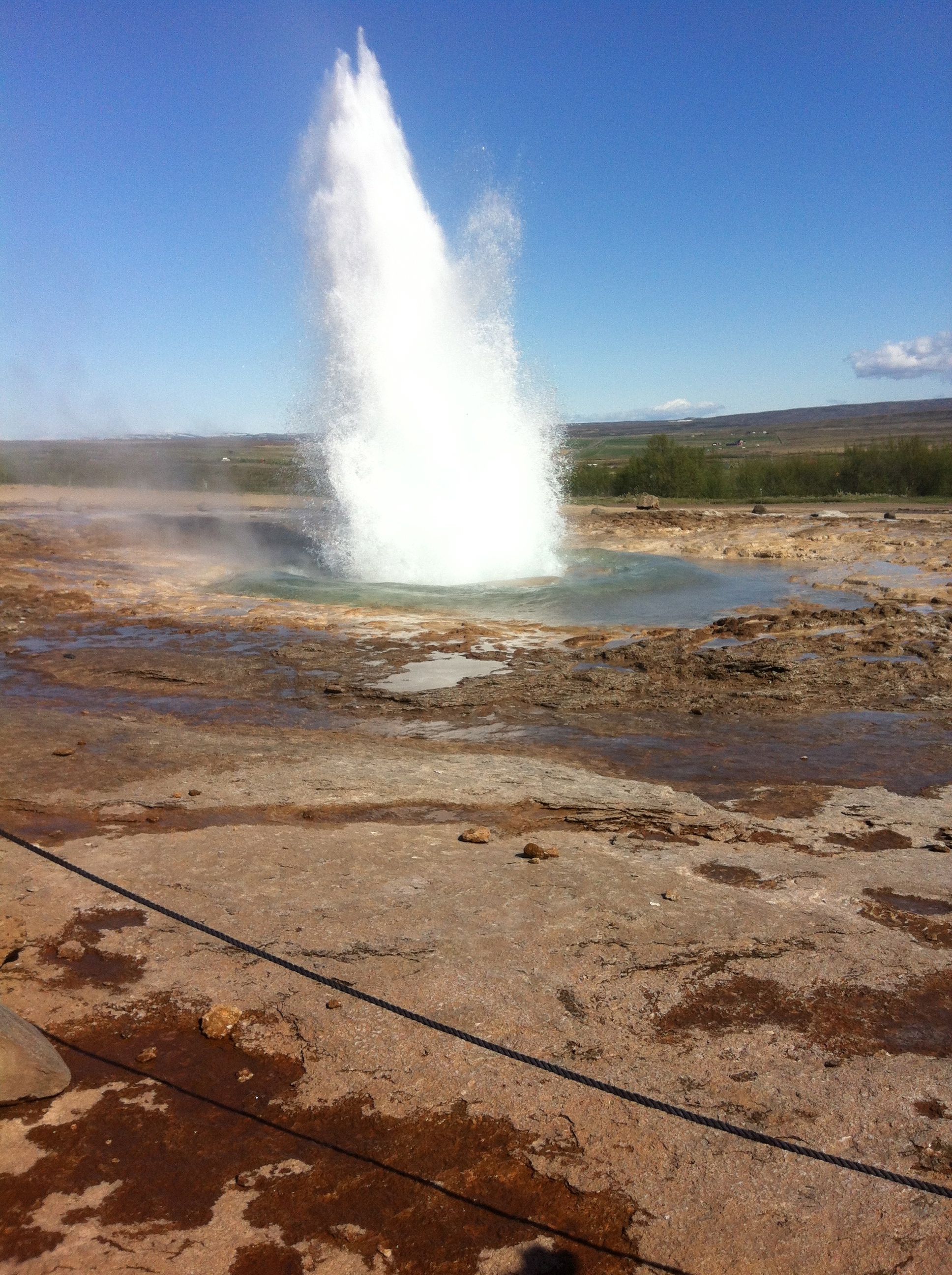
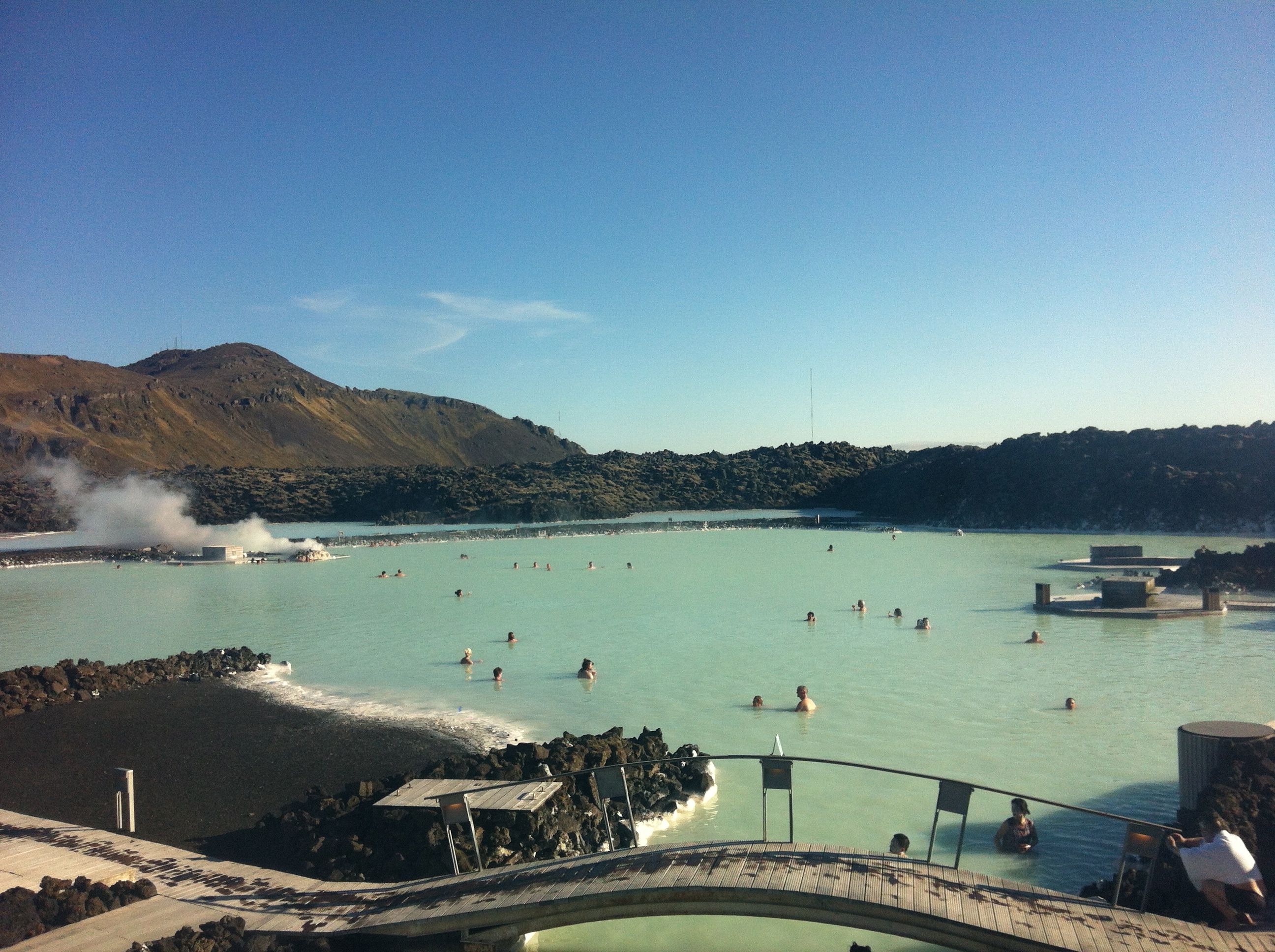
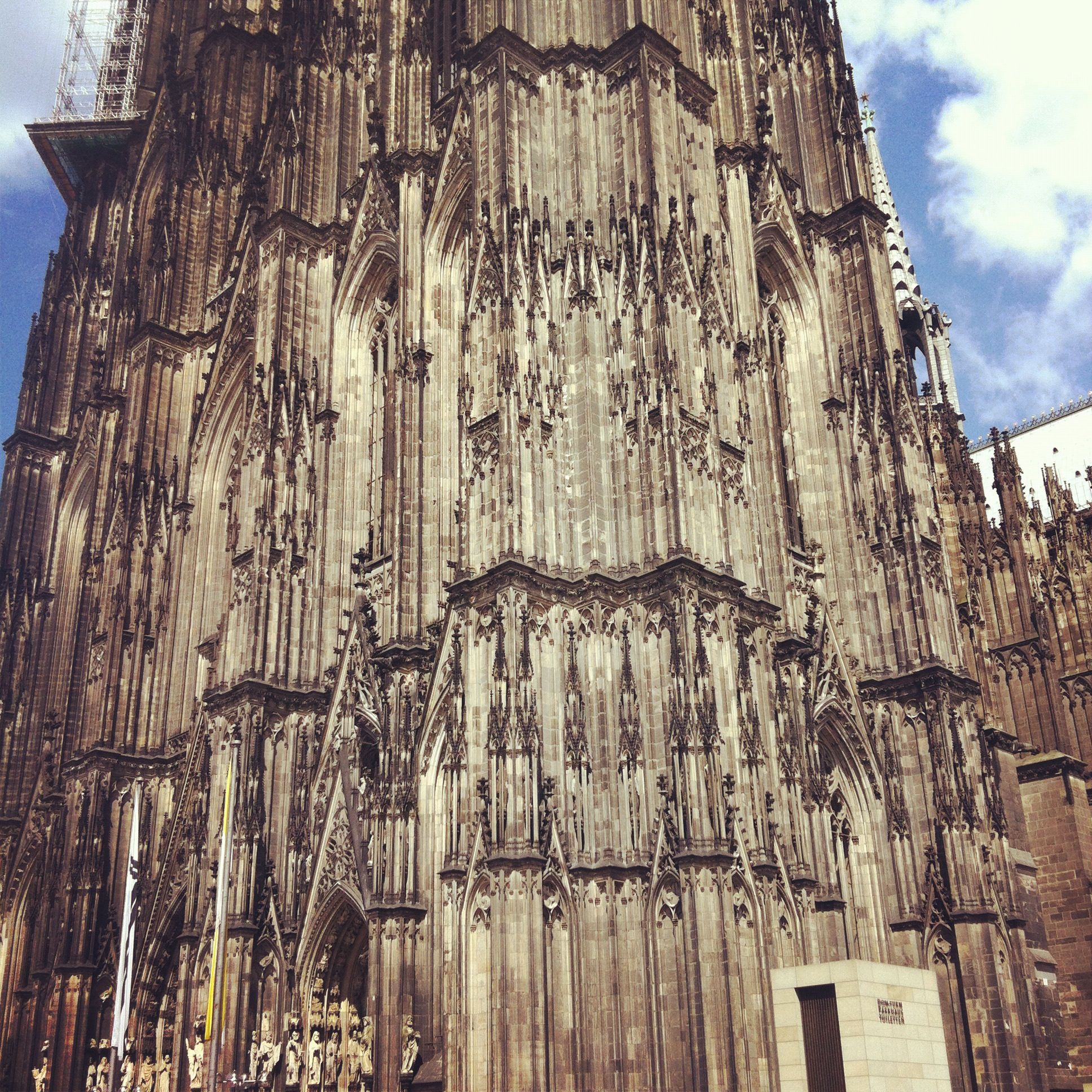
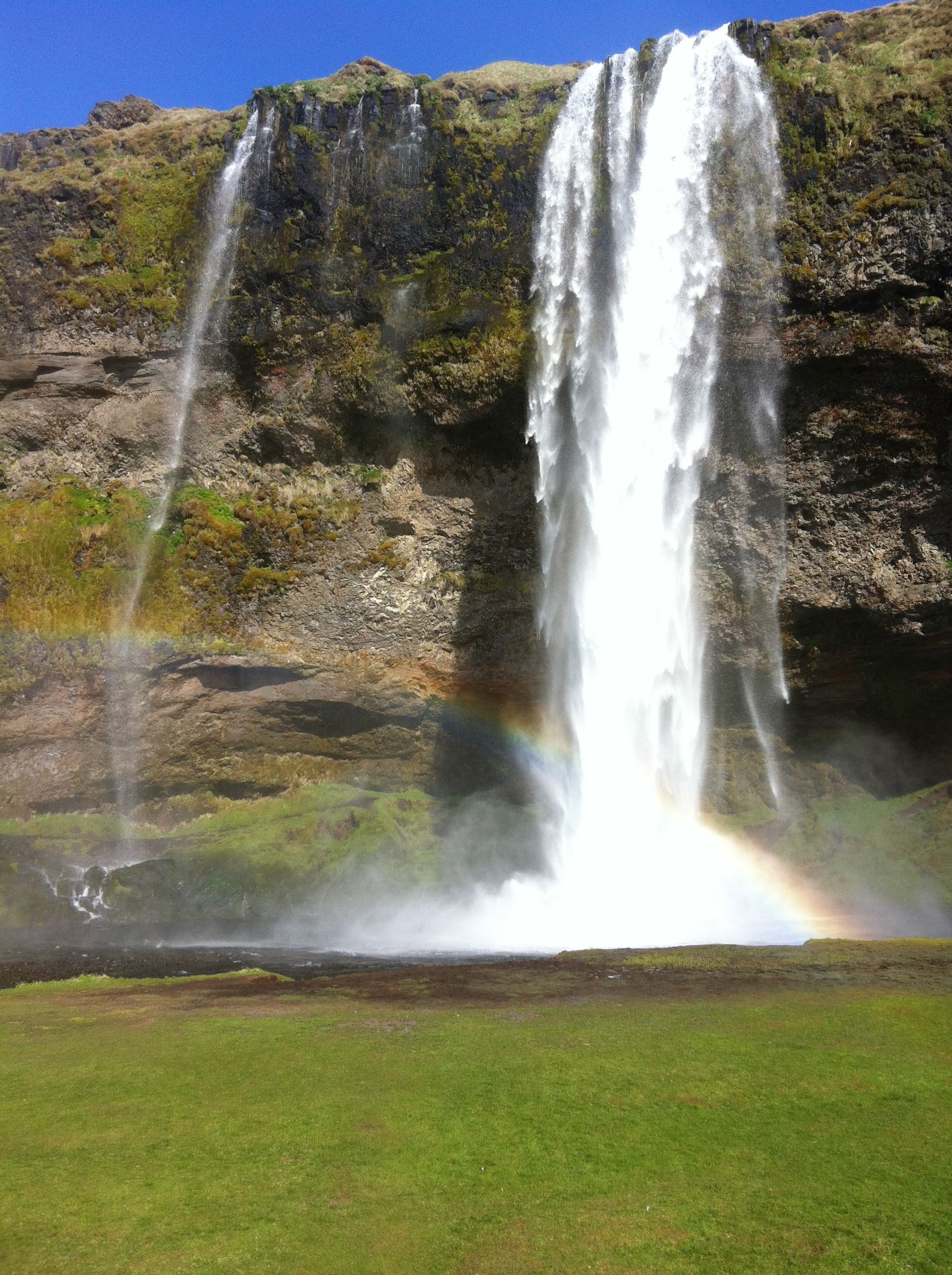
To reward your patience (or punish you all for allowing me to do this carnival), I thought I'd sprinkle the listing with some of my travel photos. Iceland is a lovely place; it's also a strange place to consider evolution, in a land that's only about 60 million years old and that is lacking in large animals (other than humans and their livestock), and mainly seems to be a place for rocks, lichens, mosses, fish, and small insects, as well as the busy bacteria…so in a sense it's a place where we get back to the roots of evolution. Anyway, I'm just splattering the text with my photos; ignore them or get motivated to visit this gorgeous place.
On to the linkfest!

Bacteria
Wait a minute here…bacteria are where all the action is. I expected lots and lots of submissions about bacterial evolution, and this is all you give me? Come on, microbiologists, molecular biologists, and biochemists — give more next time.
-
While the big beasts were evolving, their bacterial diseases were evolving right along with them.
-
Bacteria evolving alone or in communities -- it makes a difference!
-
Go deep into a cave and examine the bacterial resistome of species isolated for over 4 million years, and you discover they are resistant to many antibiotics.

Plants
I'm a little disappointed here, too. As an evo-devo kind of fellow, I'm often castigated for neglecting the importance of botany in understanding evolution and development…and here again we see an important group underrepresented on the Carnival of Evolution. Get to work blogging, plant biologists!
-
Dandelions! The interactions between the environment and genetic diversity
-
What's the connection between gigantic genomes and high mutation rates in flowering plants?
Charismatic megafauna
Here we go. Animals are clearly very popular.
-
Gigantism in sauropods -- all the details behind growing huge.
-
Birds are paedomorphic dinosaurs?
-
Fish tradeoffs: bigger gills or more efficient swimming?
-
Carl Zimmer and Ed Yong both got into Ichthyostega: How Ichthyostega was like a mudskipper, and Ichthyostega wasn't very good at walking.
-
How arthropod segmentation mechanisms lead to lots of legs. Tetrapods, pay attention.
-
Clearing up the confusion about gills, gill slits, and pharyngeal arches. I've never been confused about it, but lots of people are.
-
A brief summary of the entirety of mammalian evolution. Ambition is good.
Humans
Why do we have more posts about people than about bacteria? Man, we're a self-centered bunch.
-
It's a peculiar exceptionalism that makes people even ask if humans are still evolving.
-
Considering the two big hypotheses about human evolution: Continuity vs replacement in the evolution of the human species
-
Vegetarians may not like this: meat-eating contributed to human success by allowing for early weaning, allowing for an earlier return to fertility for their mothers.
-
The rise of Christianity and Islam had an effect on the genetics of Jews.
Charismatic organs in charismatic megafauna
You know what's really popular? The evolution of brains and penises.
-
Why did we evolve such big brains, and what does a hole in our head have to do with it?
-
The biochemistry of fatty brains may affect cardiovascular health.
-
Thank an error that leads to more synapses in the human brain for our smarts. Well, in part.
-
Apophallation. You probably don't want to know what it is.

Theory
-
People are always confusing fact and theory in evolution. Let's straighten them out.
-
Here's a battle that's been fought for many years: Kin selection vs group selection — it's complicated.
-
The Black Queen Hypothesis is the idea that there are necessary complex functions that some species must get stuck with in order to maintain a viable ecology. We've got two posts on it.
-
Constructal theory tries to explain one way complexity can arise from natural processes.
-
It's not all natural selection! Think about the neutral theory of genome evolution
-
If you don't know the difference between orthologs and paralogs, read this post.
-
Something unusual has to happen for an invasive species to be successful: consider the difficulties of weediness.
-
Is the Carnival of Evolution evolving? (Answer: yes. Just about everything that replicates is evolving.)
History
It's helpful to know where our ideas are coming from.
-
Atheists have replaced theists in discussing the incompatibility of god and evolution.
-
Diagramming relationships: sometimes a network is better than a tree.
Simulations
-
Using Avida to figure out how organisms could evolve navigation abilities.
Idiots
Here's another popular category. Evolution is sociologically and politically contentious, even if it is scientifically rock-solid, so we have to spend a lot of time battling misconceptions and outright lies. Sometimes it's aggravating, and sometimes it's a source for hilarity.
-
Knee joints are not irreducibly complex. Comparative anatomy shows that they're actually nothing new.
-
Intelligent design creationism lacks a mechanism, even if Casey Luskin claims they do. Hint: "God" is not a mechanism.
-
Evo-psych people might not want to read this one: biologists and evolutionary psychologists amusingly contrasted. If you're as disgusted with most of evo-psych as I am, though, it's required reading.
-
Is it Intelligent Design? Or is it photoshop?
-
Creationists are still waiting for cat to turn into a dog. Keep waiting, guys.
-
Creationists love "living fossils". They shouldn't.
-
So simple even a creationist ought to be able to understand it.
-
A letter to the AMNH: please stop pandering to god belief.
-
Oh, man, even when they mean well, bad journalism can make a mess of evolution. Here's an example of entertainingly bad science journalism.
A little bit of everything
-
Bora summarizes the Society for Research on Biological Rhythms meeting. It hits just about every category I've put in here.
-
I counted. There are actually 101 Reasons Why Evolution is True listed on this one page.
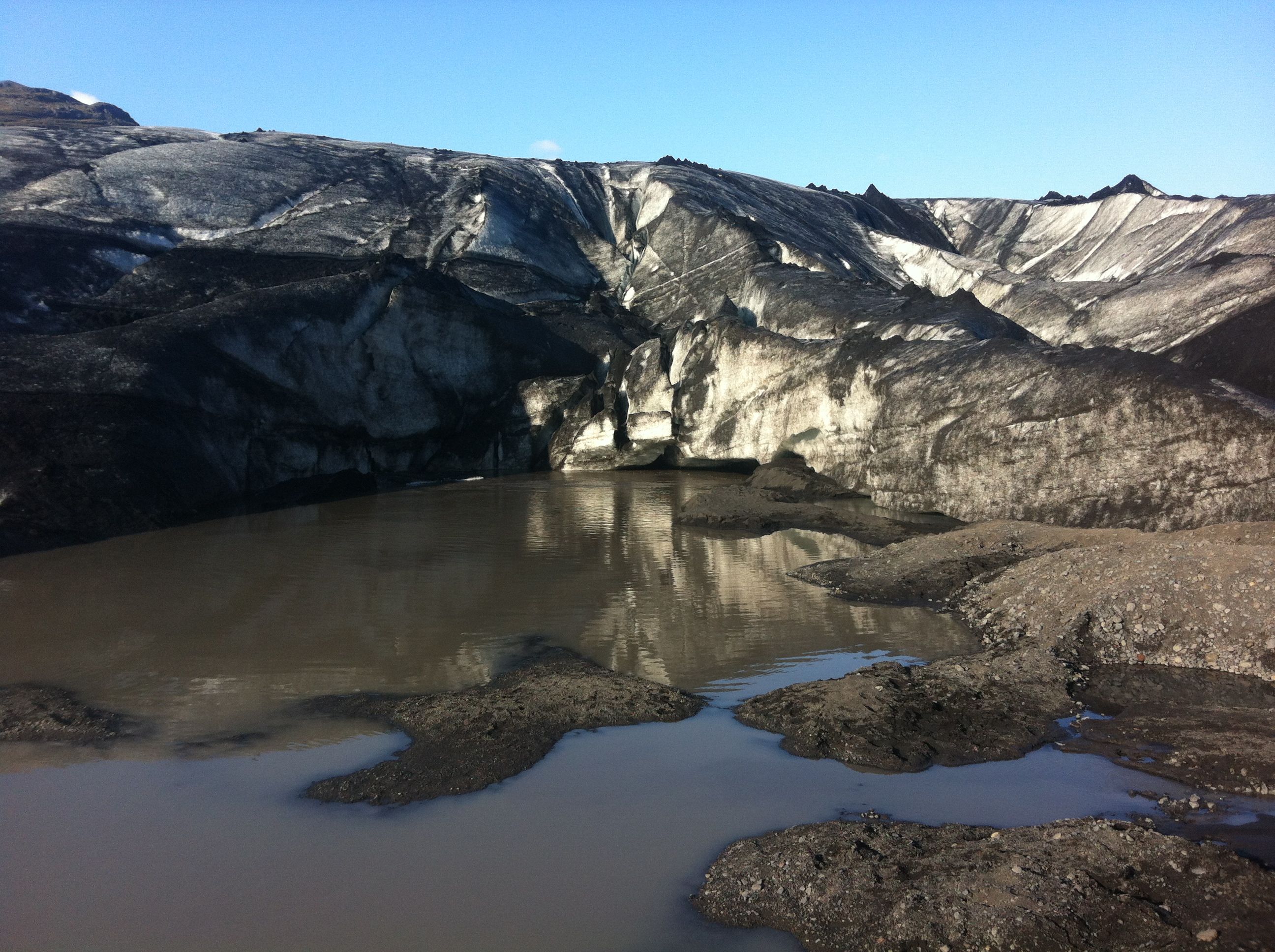
I have to thank Hope, Einar, Þorsteinn, and Friða of Siðmennt for taking me about Iceland and instructing me on geology, and also thanks to Háskóli Íslands and Vantru for hosting me.
You can follow the Carnival of Evolution on Facebook, Twitter, or the CoE blog, and you can submit links to the next edition.
IMPORTANT NOTICE: There is currently no host scheduled for July or thereafter. Volunteer! It's a good way to be compelled to carefully read a lot of excellent posts about evolution, so think of it as a learning experience.

Thank you for hosting! I really need to go to Iceland...
I ask because I submitted one entitled “An Evolutionary Model of the Brain's Internal Language” (http://www.trapped-by-the-box.blogspot.co.uk/2012/05/evolutionary-model…) which does not appear in the current Carnival, and I wonder at what stage it had been weeded out, and why.
The basic approach is to say that humans are little more (in terms of biological evolution) than animals with big brains, and to understand humans we need to start with a simple model of the information an animal will need to make simple decisions. It is then pointed out that a highly unconventional computer research language called CODIL used a similar structure – and that this research suggested that even a very simple recursive decision making model can be used to make very complex decisions. The approach also suggest a change in learning methods once learning from parent through language (rather than just copying actions) become an evolutionary advantage, and also suggests there may another step (perhaps when it comes to counting and arithmetic) where in effect, the “simple animal” brain model could actually be programmed to do things that it could never do by trial and error learning. Even if the model prove significantly incomplete, the gaps could suggest further factors to be considered in the evolution of the human brain.
The blog was written to suggest that to understand how we got where we are we need to try and get a good overview of the evolutionary wood, rather than looking at the trees in ever greater detail. The blog does this by suggesting a possible pathway. I would be the first to agree that it does not answer all the questions, and that it has to be somewhat superficial, if it is to avoid being so long as to be unreadable. Even if I am totally wrong (and as a scientist I am always aware of the possibility) I would have thought it would be worth having a debate on whether we are making too many assumptions in assuming there is something exceptional about the human brain that cannot be explained by similar processed to the ones that created the giraffee's neck or the elephant's trunk.
(correction to last post - why doesn't the post facility have a preview button)
How are the blogs mentioned on the Carnival of Evolution selected?
I ask because I submitted one entitled “An Evolutionary Model of the Brain's Internal Language” which does not appear in the current Carnival, and I wonder at what stage it had been weeded out, and why.
The basic approach is to say that humans are little more (in terms of biological evolution) than animals with big brains, and to understand humans we need to start with a simple model of the information an animal will need to make simple decisions. It is then pointed out that a highly unconventional computer research language used a similar structure – and that this suggests that even a very simple recursive decision making model can in fact be used to make very complex decisions. It also suggest a change in learning methods once learning from parent through language (rather than just copying actions) become an evolutionary advantage, and also suggests there may another step (perhaps when it comes to counting and arithmetic) where in effect, the “simple animal” brain model could actually be programmed to do things that it could never do by trial and error learning.
The blog was written to suggest that we need to try and get a good overview of the wood, rather than looking at the trees in ever greater detail, and it does this by suggesting a possible pathway. I would be the first to agree that it does not answer all the questions, and that it has to be somewhat superficial, if it is to avoid being so long as to be unreadable. Even if I am totally wrong (and as a scientist I am always aware of the possibility) I would have thought it would be worth having a debate on whether we are making too many assumptions in assuming there is something exceptional about the human brain that cannot be explained by similar processed to the ones that created the giraffee's neck or the elephant's trunk.
Does this thing work?
Mother nature is very unique