

Some meteor showers are spectacular, while most are mundane. If you sit around during a typical shower, you might see anywhere from 50 to 100 meteors an hour, if the Moon isn't out.

If you take a time-lapse photograph and look for meteors, you will, sometimes, get a great view of what's going on. Although it isn't immediately clear what's a meteor and what's a passing satellite or airplane, you can tell them apart in this video by looking for the "instant" streaks, which are meteors, versus the ones that streak for many frames, which are satellites or aircrafts.

Even better? The Moon is practically new tonight.
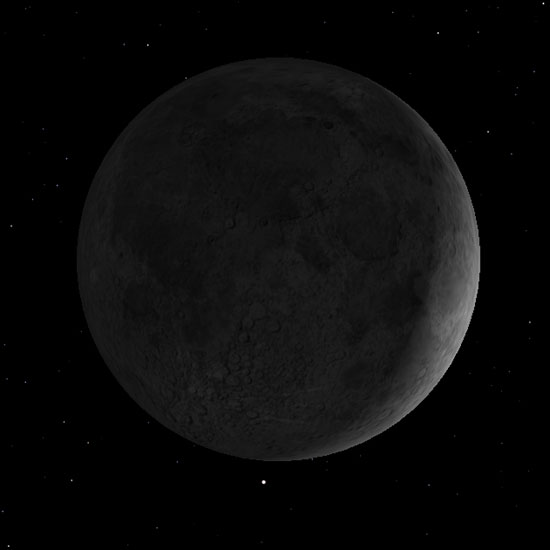
This means that only a tiny crescent will be in the sky, and it'll be gone by an hour or two after sunset. Which means, if you get clear skies, you'll have ideal meteor shower conditions!
So where should you look on the sky? Near the constellation Leo; the meteors will emanate from there. (Ignore Saturn in the image below; it was there in 2006, but isn't in 2009. The stars are still in the same place, though.)
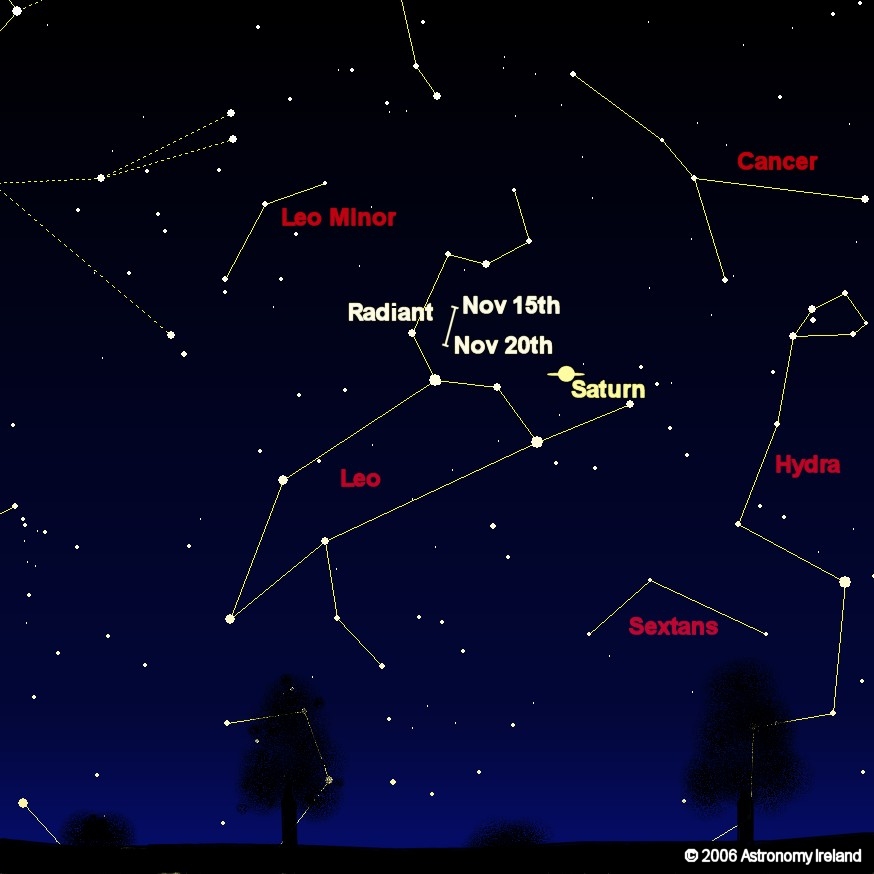
And at its peak, we should get about 500 meteors per hour, which is huge. If you get to see it remember to thank Comet Tempel Tuttle for coming through in 1998 and leaving this beautiful debris trail for us.
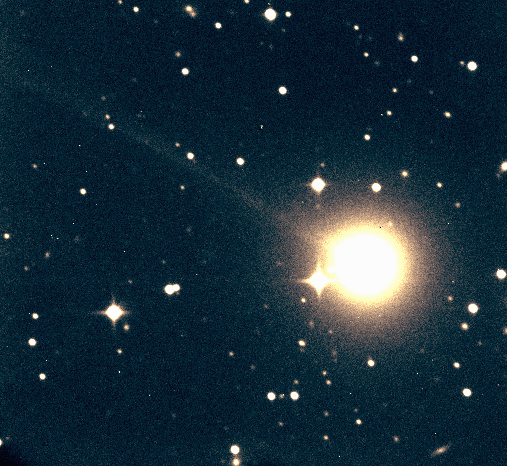
All of it makes for a beautiful sight this night! So go out and enjoy it, and know that I'll be jealous here in cloudy Portland!
I've only managed to see the Leonids once; most times I forget, and when I do remember it's usually cloudy. It's quite amazing though to see those bright streaks; some meteors last long enough that they look like they're going to hit me at some point. It's better than fireworks, and some meteors are so bright you can see them glow through light clouds. It should be possible to see meteors even with the moon out; after all I watched the Leonids from (morning) twilight until about 30m after sunrise - it's just that all the dimmer streaks won't be visible.
For us ignorami, which compass direction is "near the constellation Leo"?
The 500/hour prediction has been retracted months ago (with figures in the 150/hr range now considered likely - and that is for absolutely perfect viewing conditions), the peak is about now (around 21:30 UTC or 4:30 p.m. Eastern, in full daylight), and the dust responsible for it was shed by the comet centuries ago, not in 1998.
Might want to look at this:
http://www.space.com/spacewatch/091113-2009-leonid-meteor-shower.html
Dan: Buzzkill. I'm going out anyhow, skies are clear here(KS), and you know, there are a ton of interesting things to look at anyhow. I mean, how can star/meteor gazing be a _bad_ thing ?
From Cherish's Space.com link:
That's you, Benhead!
I looked at he sky for hours till' about 1:30 and no meteors:(. i took so many pics but nothing, so i went into my room which is outside in a shed and put my camera in my drawer, then i had to pee so i went outside and pee'd, when i was finished i look up at the sky and saw a fast moving circle object, it was at a VERY low altitude, around 350 to 500 feet above the ground, it moved very quickly in a perfect straight line showing no resistance to the wind and it was darker than black and sorta see through and had 7 lights positioned as so
.............................O
.............................O
.............................O
...........................O.O
.........................O.....O
then i saw that it had a boomerang shape at the end. I just stared at it... i saw every detail and then it stops right above my house and drops about 100 feet then stops, then it takes off nearly the speed of light! but i could still see where it was going then in about 3 seconds its gone. There was NO sound at all. I was shocked and horrified. i was shaking(not because it was cold) and what really disappoints me is that i didn't have my camera.
I just saw an Unidentified Flying Object and no one believes me. i was hoping that i can get a pic from it on Google earth but it doesn't have the option of the time or date.
If you know any way to get an image on 11/17/2009 between the hours of 1:30 to 2:00(might vary a couple of minutes) please tell me.
I know that to some of you i might sound crazy cause I've been told that many times today by my classmates, so any info will help, i know i shouldnt get caught up in stuff like this but w/e. thnx!
Im in Aus. Tx. whidh direction do I look? Please HELP my G-daughter wants to pic. for school credit
What everybody go to sleep? I thought this was the big show
Did anyone get a good view? It's been cloudy on the other side of the planet (annoying since it's been stinking hot and cloudless through the day).
hi i think that u should give what time
it begins and ends so they now when to see it.
think about it.
I saw one at about 130 I'm waiting till 3 to hopefully see more It was amazing